

-

Research
GO Technology: People vs Tech in 2026

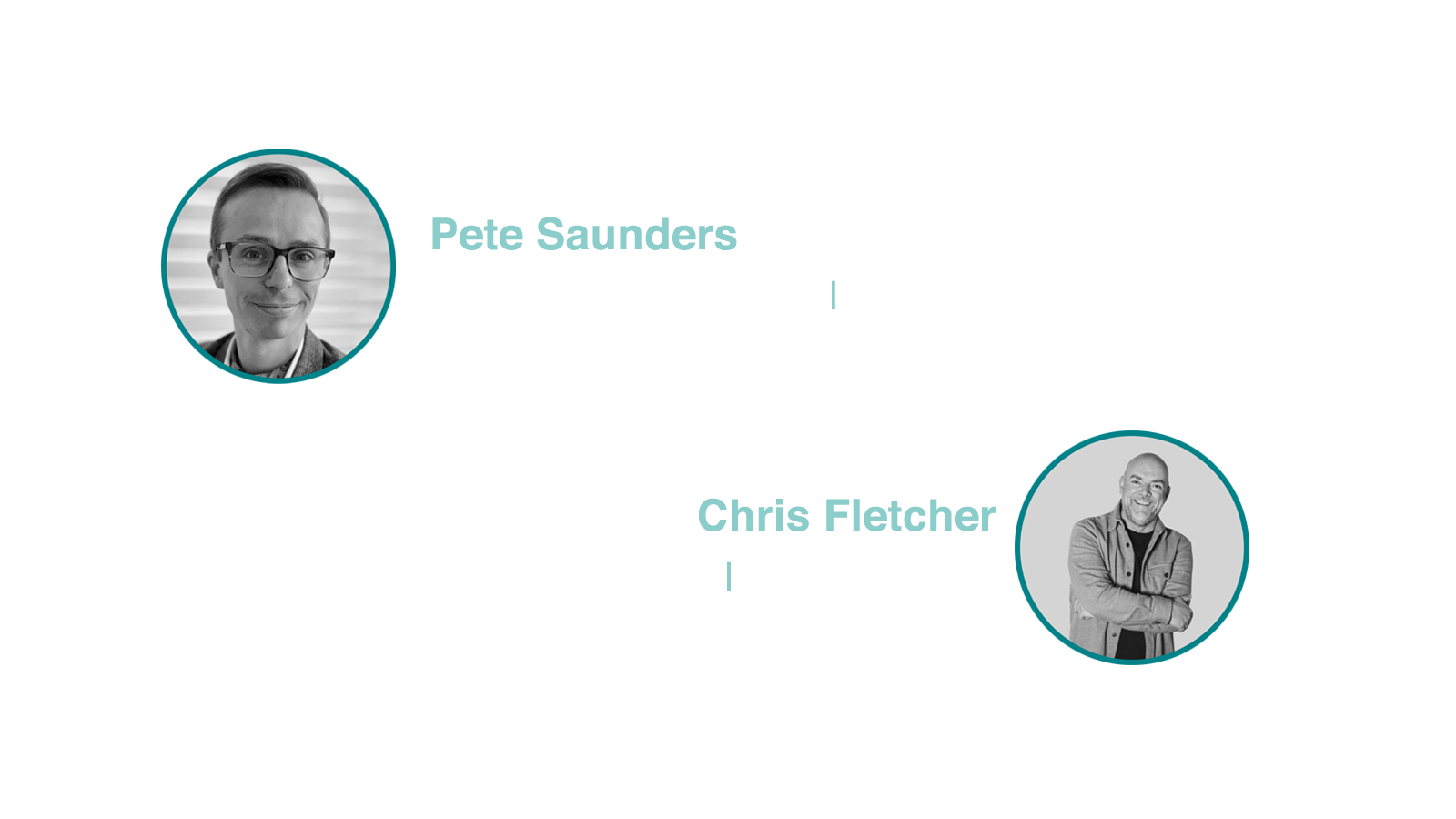
The latest episode of the Tech On Toast podcast features our very own Pete Saunders, Head of Relationships at Zonal Hotel Solutions.
This episode takes a dive deep into the world of hospitality technology and explores the intersection of technology and hospitality, including:


The Tech on Toast podcasts are brought to you by Chris Fletcher, Founder & CEO of Tech on Toast. Chris talks to entrepreneurs in the world of hospitality and retail technology searching for the best problem-solving tech in the industry.
In this episode, Chris talks with Pete about customer obsession with hospitality tech. From personalisation to operational efficiency, the podcast explores how our solutions help businesses create exceptional guest experiences. Plus, why legacy tech isn’t a drawback – it’s a badge of honour!
Nottingham, Edinburgh and Liverpool have become the latest UK cities to announce the implementation of a new type of ‘tourist tax’ on hotel stays. They join Manchester which already has a £1 per room, per night charge in place for visitors, on top of their bill.
The schemes are growing in popularity after success across Europe in cities such as Paris, Bruges and Barcelona, which allow local authorities to implement a ‘transient visitor levy’ on short-stay travellers.
But there is a catch; local authorities in England are not actually legally allowed to tax tourists.
British cities like Manchester have introduced a legal workaround to bring in a levy for tourists, by incorporating accommodation into their existing Business Improvement District (BIDs) Zones and applying the same levy as they do to other businesses that fall within it. So, from April 2023, 78 accommodations in Manchester were included in its BID zone, and guests now pay to cover the new charges imposed on those buildings.
This levy raised more than £2.8million in its first year, creating much-needed funds for new initiatives to boost tourism and support the hospitality industry in the city.
Seeing this success, Nottingham and Liverpool are following suit in England, with similar BID charges set to start from summer 2026, earmarked to help raise funds to improve their visitor economies. The London Mayor, Sadiq Khan, is also reported to be looking into a new levy for the capital, after seeing Manchester’s success.
In Scotland, however, the Government has taken this one step further, by voting in favour of legalising a 5% enforced tourist tax on overnight stays in popular areas like Edinburgh, Glasgow and the Highlands, capped at five nights, starting in July 2026.
In Wales, the government has also voted in favour of an optional tourist tax to raise a forecast £33 million annually, which each of its 22 councils can choose to introduce from 2027.
Despite the plans to reinvigorate the UK tourism industry, these new levies have not come without a fair share of controversy in recent years.
Bournemouth saw plans for a new tourist tax thrown out by the Secretary of State for Housing, Communities and Local Government last summer after 42 hotels petitioned against it. The hotels from across Bournemouth, Christchurch and Poole objected to the proposed £2 per room, per night tax, claiming it would deter guests from staying due to the increasing costs, losing them vital business income.
UKHospitality has recently backed these claims, calling the tourist tax ‘damaging’ to the hospitality industry because it could make the UK less attractive to visitors.
Although there is opposition to levies in the UK, there is clear financial benefit for cities that impose them.
For example, the Edinburgh levy is set to raise £50 million per year, to fund cleaner streets, quicker removal of graffiti, environmental improvements, more attractive spaces and better transport connections; all in aid of further boosting tourism to the city.
In Liverpool, the newly proposed levy is predicted to raise £6.7 million over the first two years, which is set for investment in hospitality, events and cultural venues.
Hoteliers are understandably wary of new levies pushing prices up for visitors and the impact this will have on their booking numbers and ultimately, profits.
Despite this, the latest research has predicted that a country-wide, £1.25 nightly charge per person could raise £560 million for the economy, and the demand for tourist tax legislation seems to be growing from government officials.
This is set to be a hot topic for hoteliers, and something for hospitality bosses to consider when budget planning over the coming months.
UKHospitality has announced a brand-new partnership with the government to provide over 16s with sector-based Work Academy Programmes (SWAPs) to boost employment in the hospitality industry.
The scheme, which was announced last month, will provide applicants with the skills they need to secure employment within hotels, restaurants, bars, pubs and leisure venues.
The partnership comes as UKHospitality recently reported a shocking 48% increase in hospitality job vacancies in 2024 compared to pre-pandemic levels, revealing the desperate need for up to 90,000 skilled workers in the industry.
The sector-based programme will provide industry-specific training for applicants in 26 locations around the UK, with the goal of getting 10,000 young people job-ready by next year. UKHospitality aims to boost productivity in the industry, spur economic growth and provide people with stable, engaging and fulfilling careers.
Alongside SWAPs, The Department of Education has also made key changes to apprenticeship schemes to cut red tape and make learning more flexible for young people. This includes letting businesses decide whether each applicant needs to complete Maths and English qualifications at Level 2 to pass their chosen training scheme.
These hospitality sector-based Work Academy Programmes are set to bring thousands of high-quality recruits into the hotel industry. Through the Government’s Hospitality Skills Passports, workers will gain skills that are applicable across different roles in hospitality, from F&B provision and service to customer service and front-of-house roles. This means that hospitality businesses will gain staff with sought-after transferrable skills to boost productivity and provide great customer service across all departments.
This extra recruitment to the hospitality sector is forecast to support the industry to grow, boosting further investment and expanding profits for hoteliers and other business owners.
UKHospitality will begin rolling out this programme alongside the Department for Education from April 2025, in partnership with job centres, colleges and training centres across the country. This will make the scheme accessible for both applicants and hospitality businesses seeking new recruits.
As the demand for accommodation grows in the UK, the latest research shows investment activity will surpass 2019 levels this year.
The latest Savills report shows a surge of international interest with 3,000 new rooms in London alone. This new confidence from overseas investors coincides with the recovery of international travel to the UK since 2023, particularly from Chinese and American tourists.
To support the demand for rooms, some cities such as London have enforced supportive planning policies to convert unused spaces, such as offices, into micro and aparthotels. These new accommodations are often located in central business districts, perfect for visitors travelling for work. London has seen £400 million worth of investment in these schemes in the past 12 months, with this market forecast to grow rapidly in 2025.
Forbes recently reported that travel spending is at its highest levels since 1960, with Gen Z and Millennials leading the shift towards ‘experience travel’, creating a boom in tourism centred around specific events and experiences.
From concerts to sporting events, investment in hotels near arenas and stadiums is growing, as the younger generations prioritise a more integrated hospitality experience. The ‘Taylor Swift effect’ is a perfect example of the influence of significant events on the hotel industry, with sales at hospitality venues within three miles of Wembley Stadium averaging £1 million per night and hotel occupancy reaching 94%, during her five-night residency last year.
Luxury hotels have seen the biggest levels of investment since 2023, and the sector is forecast to grow even further this year. With bespoke culinary experiences, large private aparthotels and wellness and health retreats gaining huge traction, investment in luxury hotels that offer special experiences is booming.
This growth also benefits visitors with smaller budgets, and research shows that more affordable stays at off-peak times are growing in popularity, with mid-week occupancy rates improving significantly in the past year.
Hoteliers will be well aware of the significant pain points for the industry this year, from a rise in minimum wage and tax cost pressures to chronic staff shortages. Creativity and innovation have never been more important for hotels to gain investment to thrive.
Despite these challenges, the outlook is positive, with over £5.75 billion worth of investment in hotels in 2024. With a 5% increase in inbound tourism predicted this year, it has never been more important for hotels to embrace technological change to tap into new markets and reap the benefits of these exciting levels of growth.
https://premierconstructionnews.com/2025/01/21/uk-hotel-investment-reaches-five-year-highs/
https://www.savills.co.uk/blog/article/371000/commercial-property/what-s-here-to-stay-in-2025–trends-in-the-hotel-sector.aspx
https://www.savills.co.uk/insight-and-opinion/savills-news/370917/savills–uk-hotel-investment-reaches-%C2%A35.75-billion-in-2024–doubling-2023-levels
https://www.visitbritain.org/news-and-media/industry-news-and-press-releases/visitbritain-publishes-inbound-tourism-forecast-0
After a rocky few years for the hospitality industry, Visit Britain’s latest forecast report provides some welcomed optimism for British hoteliers. The 2025 inbound tourism forecast shows a 5% increase in predicted visits to the UK this year – with a record 43.3 million tourists set to travel here.
As the tourism industry continues to grow, the UK government has unveiled ambitions to reach 50 million visitors by 2030. So, how can hotels best prepare for this influx of visitors?
Here we share our tips on how hoteliers can cater to the growing demand from overseas.
With a large number of bookings potentially coming from overseas guests, it’s never been more important to ensure your hotel is visible for easy booking.
With Zonal’s specialist cloud-based software, hoteliers can manage direct bookings and 450 + OTAs to maximise reservations and boost profits, especially during peak seasons or special events. Rates can be adjusted based on demand and guest behaviour, to stay competitive and increase RevPAR.
Our fully customisable booking platform seamlessly integrates with your own hotel’s website and automates payments, making direct booking simple and easy for overseas guests.
Visit Britain forecasts a 46% increase in Chinese visitors to the UK this year compared to 2024, with spending set to increase by 77% to over £1.6 billion.
Tourism from the USA is also set to boom this year, with almost £1 in every £5 of inbound visitor spending in the UK predicted to come from US travellers.
To cater for these significant tourist markets, tailored communication is key to ensuring happy guests and repeat bookings. Through Zonal’s PMS, marketing communications can be hyper-personalised, allowing hoteliers to upsell hotel services, deals or events specifically catered towards different guest preferences and nationalities.
Think about your hotel’s unique selling points and how they can appeal to overseas guests, for example: Are you set in the quintessential British countryside? Serve traditional pub grub? Are you in the centre of an iconic multi-cultural city? Does your hotel hold historic significance? Why not double down on your hotel’s distinctive offering by providing offers, experiences or F&B packages that would entice guests looking to experience UK culture? Afternoon tea anyone?
Visit Britain’s latest research has found that a whopping 90% of visitors to the UK would want to visit film and TV locations during a trip. From Harry Potter to Downton Abbey, many of the world’s most famous TV programmes and movies have been created in locations across the UK and the chances are, your hotel may be near one of them.
Hotels can tap into this niche through specialist offers and events. Think guided tours, themed F&B offerings, information leaflets or special talks at your hotel – hoteliers can maximise this love of TV and film by creating their very own cinematic magic for guests.
Slick operations are essential for hotels and staff, especially during busier periods. With inbound tourism set to increase, hotels should look to optimise their operations to save time, cut costs and ensure a seamless guest experience.
With Zonal’s PMS, guests can easily check in and out of their rooms with digital room keys and automated payment processing, eliminating reception queues and saving time for your front-of-house staff. Housekeeping staff are also alerted when a room needs turning over, further boosting staff efficiency.
From the moment guests arrive in their room until they check out, their preferences and special requirements are tracked to provide a truly personalised experience across all areas of your hotel, even down to the emails they receive post-stay.
By streamlining your hotel’s processes, staff gain back the time to do what they do best, providing guests with excellent customer service.
Things are looking up for the UK hotel industry, and with a record year for inbound tourism predicted, hoteliers need to ensure they are prepared to get ahead of the competition to reap the benefits.
By using intelligent software, hoteliers can optimise their operations and maximise their unique features to entice tourists from overseas and provide unforgettable British experiences, all while boosting profits.


We are excited to join Stay In A Pub at the McMullans Spice for Life pub in Soho on Wednesday, 26 March 2025 for the Profitable Beds Seminar 2025. We will join other speakers from across the industry to share invaluable learnings, insights and discussions for key marketing and revenue management personnel in the pub accommodation sector.
Supported by Zonal, TXGB and Visit England, this is Stay In A Pub’s fourth seminar with topics including:
The event is being hosted by McMullans at their Spice of Life pub in Soho, which is a newly refurbished pub with rooms. For more details, or to book visit the event booking site. What’s more, there are two free tickets available to pub operators by using the code SIAP25.
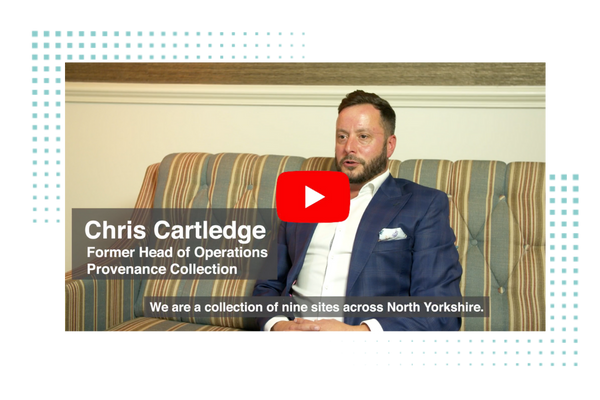
“We wanted something user-friendly with a good support network and ultimately the ability to manage remotely. With the head-office function, we can set pricing, analyse sales data and manage everything back-of-house centrally.”
“Having a fully integrated tech stack is really useful, it helps us share data across different departments within the business, but more importantly, allows us to move that data towards marketing and attracting new guests.”
Chris Cartledge, Former Head of Operations, Provenance Collection
Our room pricing software integration, RoomPriceGenie, has announced a huge three-month 50% discount for all Zonal Customers.
RoomPriceGenie provides automated revenue management, specially designed for independent hotels, pubs & inns. The software works seamlessly in partnership with the Zonal Hotel Solutions PMS to enable time-saving hands-off pricing updates, 12 times per day, for your hotel.
A simple and fast setup will ensure that RoomPriceGenie is integrated effortlessly into your PMS. From there, RoomPriceGenie’s smart technology analyses your hotel’s area, competitors, booking patterns and specific demand as well as any seasonal or local events, to create the perfect pricing strategy, tailored to you. Your pricing is constantly monitored and updated, using accurate, real-time data.
Make the most of this amazing one-time offer and optimise your pricing to save time and boost revenue. Take a look at RoomPriceGenie and the benefits it could bring to your business today.
To redeem your 50% discount, you need to sign up before the end of April 2025 and to then integrate with your PMS, contact our support team.
Research
GO Technology: People vs Tech in 2026


Blog
Building a Year-Round Hospitality Business: Inside St Austell Brewery’s Accommodation
Research
GO Technology: Consumers and hospitality: What 2025 habits reveal about the year ahead


Case Study
Butcombe Boutique Inns saves time and drives growth with Zonal Hotel Solutions and SiteMinder


Webinars & podcasts
Why 6:12 pm is the new 8 pm research webinar

Webinars & podcasts
Late-night safety in hospitality
Research
GO Technology: The new age of pub service


Guides
The Loyalty Landscape
Sustainability has been a hot topic for the hospitality industry in recent years and for good reason. With the industry accounting for 15% of our country’s greenhouse gas emissions, it’s essential that hoteliers take action to show accountability, build consumer trust and make a positive change for our environment.
The industry has been set a collective target of net zero carbon emissions by 2050, with a complete elimination of single-use packaging and a 50% reduction in food waste. Here, we discuss 5 ways in which your hotel can reach these targets to become more sustainable and save you money.
The average hotel room uses between 60,000 and 120,000 litres of water each year and with over 10,000 hotels in this country, the impact is huge.
The World Hospitality Sustainability Alliance has launched a Hotel Water Measurement Initiative methodology and calculator, enabling hoteliers to more accurately measure their water usage per room per day, benchmark their performance and set targets to reduce it.
For tangible ways to reduce water usage, hoteliers should consider each area of the hotel:
Kitchens
Laundry
Rooms
Leaks can add thousands of litres of water to your usage every week, so proper maintenance in rooms, bathrooms, pools and kitchens will be essential for your hotel to save water.
Focussing on seasonal British produce within hotel menus will reduce the need for air miles, but hotels can drive their food emissions down even further by going ‘hyper-local’ with the food products they use.
According to government data, transporting food around the UK produces 109 million tonnes of CO2 annually; a huge 26% of our total greenhouse gas emissions.
Try to reduce UK food miles by focusing on sustainable local produce. Encourage chefs to seek out the best local producers in your area and showcase their products within your menus to delight guests, build meaningful relationships with your local community and reduce road emissions.
In one year, UK hotels use enough energy to power a staggering 45 million homes. Identifying where energy is being wasted, and gaining control over costs, will help hoteliers to facilitate the implementation of more sustainable practices. Methods can include:
The World Sustainable Hospitality Alliance has calculated that 18% of all world food waste is created by the hospitality industry, with £2.6 billion being lost to waste each year in the UK.
As hotels look to increase their sustainability and put a green foot forward, they must look to their kitchens to create positive change.
Zonal’s Purchase-to-Pay system alerts kitchen staff when stock is running low and gives real-time recommendations for re-ordering and menu planning based on individual requirements and guest behaviour.
The software automatically sends an order to suppliers for fulfilment, saving chefs precious time and streamlining kitchen operations. This process significantly reduces food waste and over-ordering, greatly cutting costs and helping the environment.
UK Hospitality has set a target to eliminate single-use packaging in the industry and with that will come a huge change in the way hotels provide gifts for their guests. With an estimated 200 million mini-plastic toiletries going to landfill every year, the industry must look to more sustainable alternatives.
Solid toiletries
Bars of soap, shampoo and conditioner in recyclable packaging are becoming more popular as an alternative to liquids and make nice eco-friendly gifts for guests to take away.
Bulk dispensers
Bulk dispensers in hotel bathrooms for shampoo, conditioner and body wash are perhaps the most effective way to go greener with toiletries. Dispensers can be filled with high-quality products and negate the use of individual toiletries saving time, money and the planet.
Toiletries on request
Hotels can eliminate single-use mini toiletries in rooms altogether with a simple message to guests that toiletries are available upon request. By setting out your hotel’s quest for sustainability, guests will be more likely to bring their own toiletries, helping to reduce your plastic waste.
The UK’s ambitious net zero target has brought the environment to the forefront of Hotelier’s business practices and will continue to dominate decision-making. With small changes and the implementation of technology, hoteliers can find the balance between a great customer experience and real sustainability.
Big data plays a crucial role in the hotel industry by enabling businesses to analyse vast amounts of customer information, market trends and operational insights to make informed business decisions.
By leveraging big data, hoteliers can enhance customer experiences through personalised services, optimise pricing strategies, improve marketing efforts and streamline operations to boost revenue and maintain a competitive edge in the ever-evolving hospitality market
As technology continues to advance, the importance of big data in the hotel industry will only grow, making it a key factor in driving business success. In this article, we explain what big data is and the benefits it brings to hotel businesses all over the world.
‘Big Data’ is the huge volume of information produced by our digital activity in the modern, technological world. In the hospitality industry, this data is helping hoteliers to structure the way they operate, optimise profits and provide the best possible customer service with smart insights generated through structured and unstructured information.
Unstructured data includes social media comments, reviews, video footage, chatbot conversations and even requests made through smart speakers in hotel rooms. Structured data consists of guest logins, check-ins, transactions and booking details.
This information is captured from a wide variety of sources such as phones, computers, sensors, CCTV cameras and even door keycards, to provide tangible insights for decision-makers.
Software like Zonal Hotel Solutions uses intelligent integrations to pull together this big data from all areas of the hospitality business for analysis, helping to shape the business operations and guest experience in real time. Here are the main benefits:
Clear and engaging graphs and charts create much-needed visuals for business owners and stakeholders to efficiently review any data collected.
With trends and guest preferences clearly set out in front of them, hoteliers are empowered to make strategic decisions and manage revenue effectively. Whether it’s seasonal changes or in response to local events, decision-makers can adjust prices, staffing and marketing activity to reflect what’s happening at that moment, by using real-time information.
For longer-term planning, big data allows hoteliers to accurately forecast for the future using data patterns from past events. For example, room occupancy over the festive period or restaurant profits from Saturday nights. This business intelligence empowers management to tweak staff rotas, change menus, adjust room rates and introduce special offers, months in advance, all in response to accurate analytics.
When it comes to hospitality, guest experience is the key to business success. Now with valuable insights into guest preferences and behaviours, hoteliers can skilfully forward-plan to provide visitors with what they truly want, when they want it, on a personal basis.
For example, if a guest enjoys visiting the spa throughout their stay, booking and payment data will enable hoteliers to recognise their preferences, providing the opportunity to upsell other spa experiences and offers to them via email or text in the future. This personalised treatment builds trust with guests, who feel acknowledged and valued, rather than sending out one-size-fits-all marketing materials.
Data can be used to apply this approach across the whole hotel; from room service preferences and special allergy requirements to business travel bookings and much more, to boost brand loyalty with guests and increase repeat bookings.
On top of this structured data, social media posts, online feedback and reviews allow hoteliers to better gauge guest sentiment. This anecdotal evidence gives decision-makers more in-depth observations of guests’ likes and dislikes, to make changes and improve future experiences.
Data can help hoteliers keep on top of their operations and optimise their team’s time. Accurate check-in/check-out information can create more efficient housekeeping routines, by letting staff know which rooms need to be turned over and when, saving precious time and labour costs.
Supply-chain management data streamlines the ordering process for departments across the hotel to reduce waste and keep costs down. For example, accurate stock-take information helps kitchen staff reduce food waste and plan menus around what produce needs to be used.
Likewise, energy-saving software can also collate heating, water and waste data, enabling hoteliers to implement more sustainable systems and achieve environmental targets set out by external governing bodies.
As the hospitality industry finds its feet in an uncertain economic landscape, hoteliers and stakeholders must embrace technology to stay afloat amongst the competition.
By harnessing this powerful data that is available to them through smart software such as Zonal, hoteliers can make real changes to optimise their operations, maximise their staff’s time and expertise and give guests the exceptional service and experience they expect from a hotel.
Alternative accommodations, made popular through sites such as Airbnb, have boomed over the last decade, as guests seek more unconventional and budget-friendly holidays.
Sites offering house swaps, camper vans, glamping and serviced apartments allow guests to gain unique experiences in this latest vacation trend.
So, how can hotels compete? With business and labour costs rising, hoteliers need to stay ahead of the curve to contend with the likes of Airbnb. But as alternative accommodations continue to maximise the boom with increasing prices and inflexible booking conditions, there are various ways in which hotels can retain the interest of guests travelling for both business and leisure.
Hotels have the power of autonomy, allowing them to create last-minute deals and implement flexible cancellation policies. Unlike many apartments or rental houses, hotels can give guests options around their booking, without big security deposits or payment upfront. This flexibility sets hotels apart, giving guests that extra reassurance to make a booking.
Zonal’s intuitive PMS connects to over 450+ OTAs and provides real-time channel management allowing flexible pricing depending on seasons and local events. The fully customisable built-in booking engine is user-friendly and provides real-time availability, further driving direct bookings and giving hoteliers more control over their profits.
In today’s world where consumers expect instant information and seamless service, personalisation is key. A hotel’s USP is often their people; talented teams of hospitality professionals who can provide guests with the best possible service and a human connection.
There’s no need for key handovers or pick-up points – through Zonal’s suite of technology, hoteliers can save time and streamline their operations, providing seamless digital check-in/check-out and integrated payments for guests to make their stays as stress-free as possible.
On a personal level, Zonal’s technology can create one-of-a-kind experiences for each guest based on their preferences.
For example, promotions can be customised to meet individual needs by analysing visit history, spending patterns and data gathered from various touchpoints during past visits. Staff can then leverage this information to create and deliver a more personalised and enhanced guest experience.
By working together with cutting-edge technology, staff have more time to cater for guests throughout their stay, providing the excellent service that is only available at hotels.
With most alternative accommodations only providing bed and breakfast or self-catering options, hotels can capitalise on their unique amenities to set them apart.
From spa facilities and gyms to buffet breakfasts and award-winning restaurants, hotels can stand out to luxury-seeking guests by promoting amenities that aren’t available at most other types of accommodation.
For business travel, Zonal’s booking software can help hoteliers manage designated meeting spaces, oversee F&B arrangements and easily coordinate group room bookings for corporate events. Hoteliers can ensure all bills are processed under a single guest or company, resulting in a slicker experience that businesses could only expect from a hotel.
Similarly to Airbnb, hotels are often located in tourist hot spots. Partnerships with local attractions, including discounts and offers, can further boost hotel bookings over alternative accommodation.
Zonal’s multi-channel marketing capabilities mean that hoteliers can stay in touch with guests through hyper-personalised communications, which provide offers, room rates and information on an individual basis.
Hotels can drive further bookings through promotions about new facilities, gift cards and upcoming events to increase repeat bookings. What’s more, hoteliers can reward customers through loyalty schemes, that can be built using Zonal’s smart technology and easily incorporated into email marketing campaigns.
Through personalised communications, hoteliers can gather valuable feedback and ensure guests feel listened to and appreciated, boosting customer loyalty to increase profits.
It’s evident that the hospitality market has become more competitive in recent years, with online bookings facilitating a shift towards different types of accommodation. As prices rise and alternative accommodations fail to provide guests with the customer service they expect, hotels now have the opportunity to take back dominance.
With the implementation of technology and a focus on consistency of stand-out service, hotels can boost sales and compete with other options on the market.